

Squeezy McPressure Here! Have you ever seen one of those tractors running around on a farm with the bucket or forks on the front and ever wonder how the tractor can lift such a big load with much less than 100 horsepower of total power?
Well, it is all thanks to fluid power and Pascal's Law equation, F = P • A. Where F is force, P is pressure, and A is area. Pressure is applied to the area of the cylinder to lift and move the load. The speed is based upon the flow supplied by the hydraulic pump. Hydraulic power is used to extend and retract the cylinders that raise, lower, tilt, and dump the bucket and forks.
The equation for power is:
HP = P * Q1714
Where HP is Power (hp), P is pressure (psi), and Q is flow (gpm). Flow is produced by a pump.
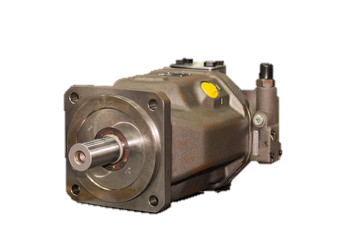
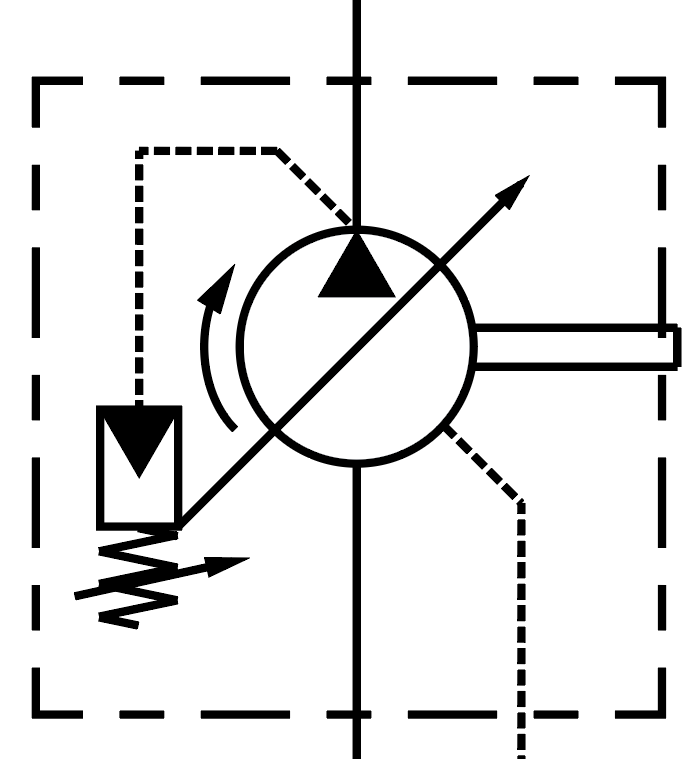
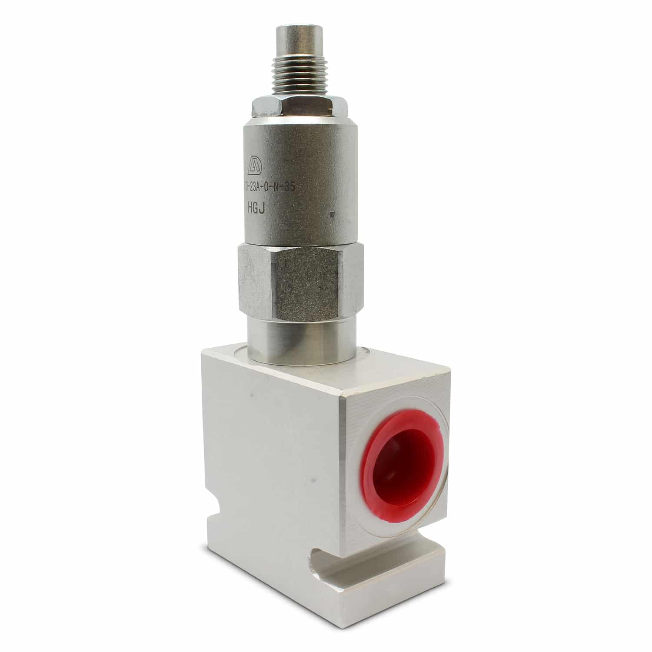
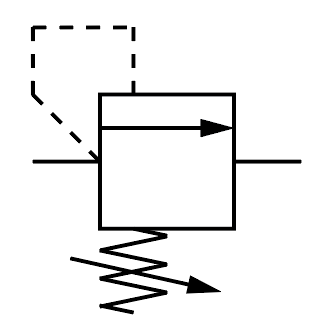
Maximum pressure is controlled by a pressure relief valve.
Hydraulic power is used to move almost every type of mobile machinery that you encounter. So next time you see equipment operating on a farm, take a look and see if you can spot any hydraulic components in use. Until next time… Squeezy.