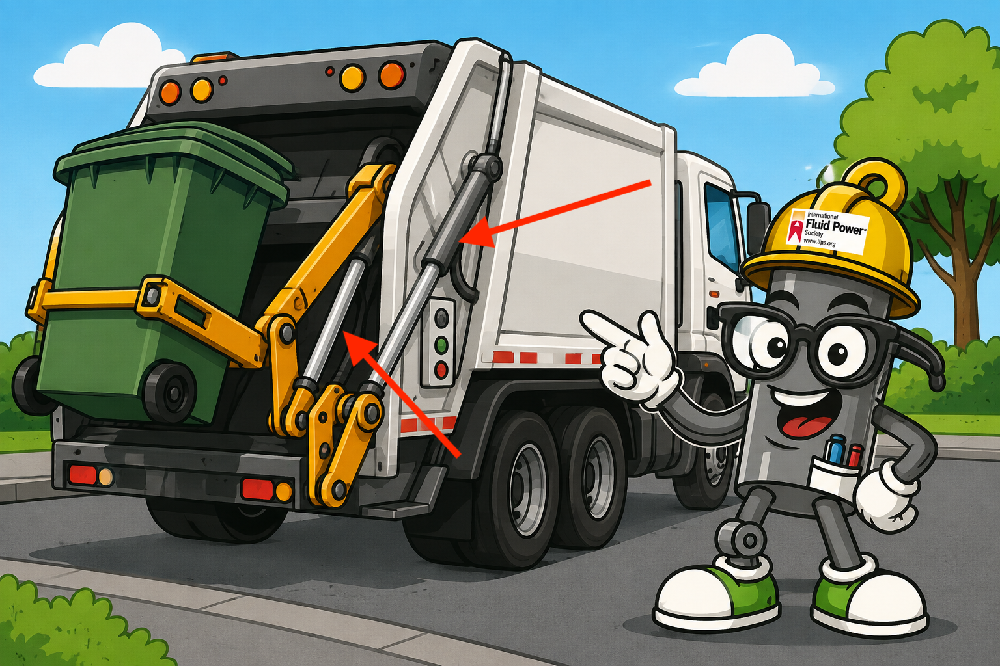
Hydraulics are everywhere—even in places you might not expect. This post highlights five everyday systems that rely on fluid power, from vehicle braking systems to garbage trucks and aircraft landing gear. Whether you’re new to fluid power or already familiar with the basics, these real-world examples showcase how hydraulics quietly deliver powerful, efficient, and reliable performance in daily life.
Session 4 shifts into valves—the components that control pressure, direction, and flow (basically, the ones that decide if your system works… or just sits there). BJ breaks down the different types, how they function, and why small details like pressure settings and flow control can make a big difference in performance.
Session 3 is all about hydraulic pumps—the heart of the system and occasionally the reason your day gets complicated. BJ walks through pump types, how they actually move fluid, and why some are overachievers while others are just along for the ride. We also cover cavitation and aeration (aka the “your pump sounds terrible” phase), take a look inside gear, vane, and piston pumps, and talk about efficiency, pressure limits, and how not to accidentally shorten your pump’s lifespan. It’s part theory, part real-world reality—because in hydraulics, things always sound fine… until they don’t 😄
Session 2 picked up right where we left off—diving deeper into hydraulic systems and proving that, yes, those symbols do start to make sense… eventually. If Session 1 was the “what is this stuff?” conversation, Session 2 was more of a “okay, let’s actually read and build this thing” experience.
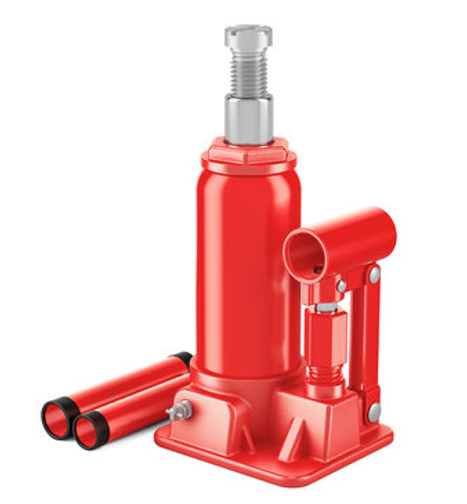
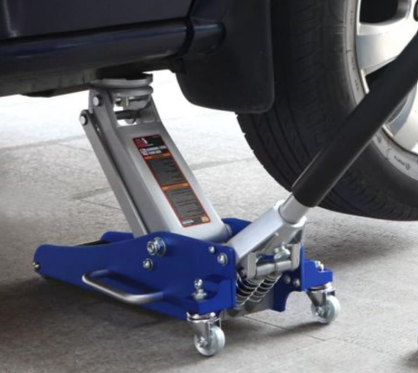
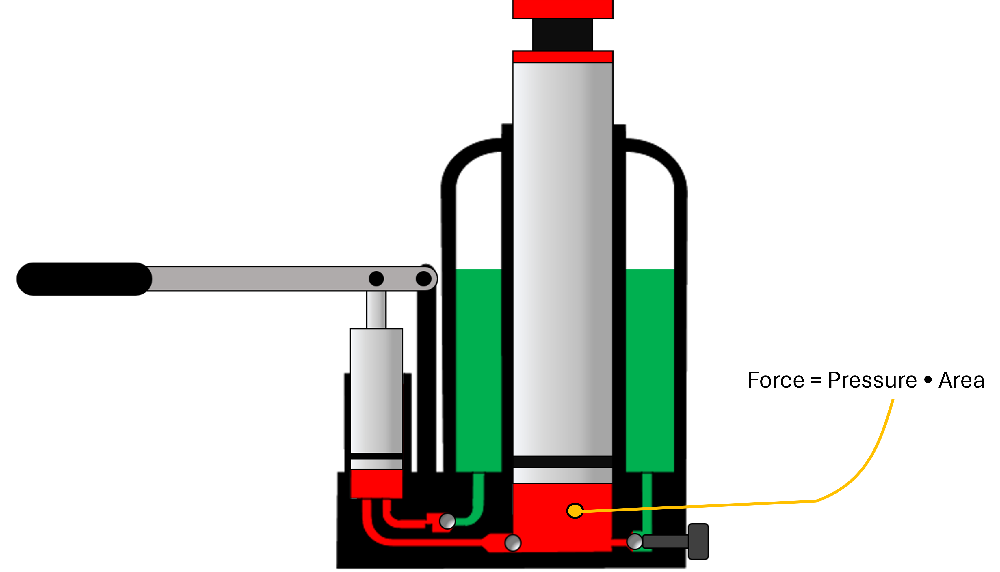
Pascal’s Law: The Science Behind Hydraulic Superpowers! by Donna Pollander, ACA At IFPS, we talk a lot about fluid power fundamentals—and Pascal’s Law is one of the big ones. The good news? It’s much simpler than it sounds. So, what is it? Pascal’s Law states that when pressure is applied to a confined fluid, it is transmitted equally in all directions.
The 8th IFPS Fluid Power Fundamentals course is officially underway, bringing participants into the world of hydraulics and pneumatics through a structured, hands-on learning experience. From core principles and system components to real-world applications and critical safety practices, this course is designed to build a strong foundation in fluid power. Each session breaks down complex concepts into practical, easy-to-understand insights—giving participants the knowledge they need to recognize, understand, and safely work with fluid power systems in everyday industry.
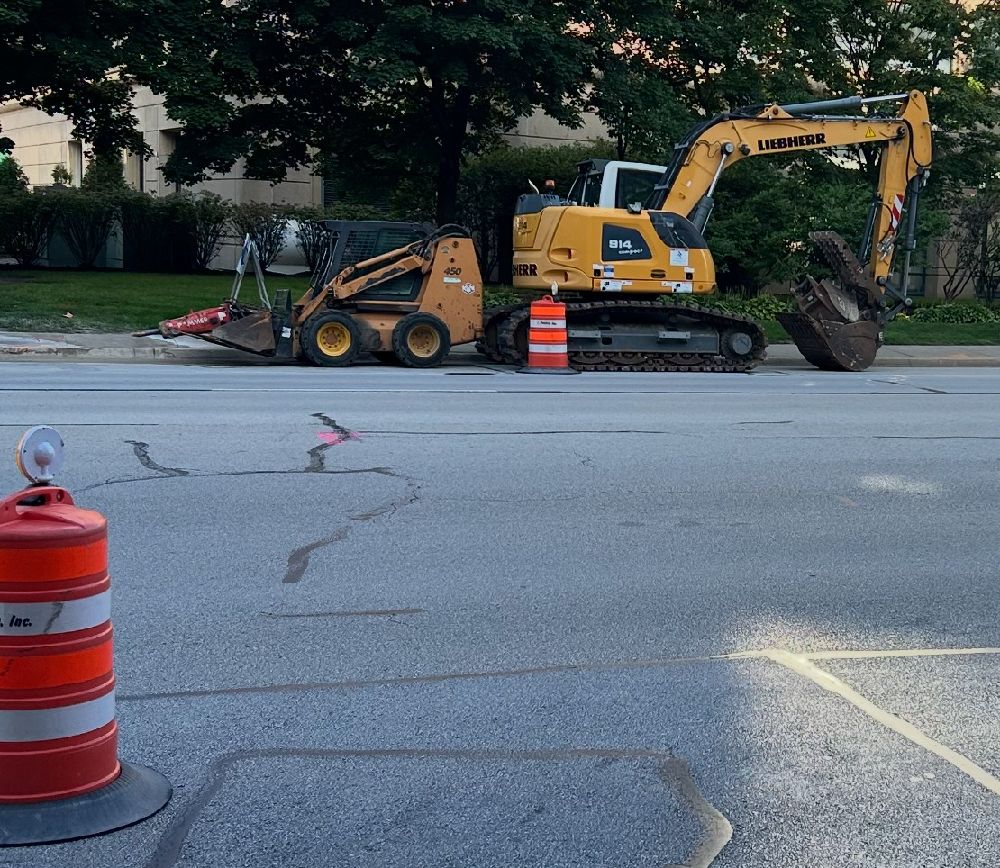
Hydraulics All Around Us Tuesday, March 24, 2026 Hydraulics Are Everywhere—Especially in Modern Farm Equipment By Squeezy McPressure From road-ready hay mergers to smoother tractor rides and faster implement changes, hydraulic systems are quietly transforming the way today’s machines work in the field. A quick look at real-world hydraulic applications in agriculture. Hydraulics make it easy to move a hay merger from field mode into a transport position for travel between jobs. When most people hear the word hydraulics, they picture cylinders and motors doing the heavy lifting on construction equipment. That image is not wrong, but it is incomplete. Across both construction and agriculture, hydraulics now do far more than power traditional machine functions. They are increasingly replacing manual adjustments, chain drives, belt drives, and fixed mechanical linkages with systems that are faster, more precise, and easier to automate.
Donna Pollander, IFPS CEO, shares key takeaways from the IFPS webinar, " Equipment System Failure Investigation by Vinod Sharma, highlighting how near misses act as early warning signs in fluid power systems. The post emphasizes systems thinking, root cause analysis, and the importance of learning from small failures to prevent larger ones.
The fluid power industry is changing quickly, and professionals across the field are being asked to keep pace with new technologies, evolving equipment, and rising performance expectations. Whether working in hydraulics, pneumatics, maintenance, troubleshooting, design, or system support, today’s workforce needs up-to-date knowledge to stay effective and competitive. Employers are looking for individuals who can do more than rely on past experience alone. They want professionals who understand current standards, can adapt to industry changes, and are prepared to solve problems with confidence. In this environment, certification has become more important than ever because it provides a clear and respected way to validate technical knowledge and professional commitment.